

“I’m sending you the latest version.”
A common phrase… and a dangerous one.
In packaging, the latest version is not always the right one, nor the one that should be produced.
The myth of the ‘latest version’
In many teams, version control is managed as follows:
- final.pdf
- final_ok.pdf
- final_ok_v3.pdf
The problem isn’t the name; it’s that there is no a clear rule. Nobody knows:
- Which file is just a temporary file?
- Which changes are the most significant?
- Which version is the production release?
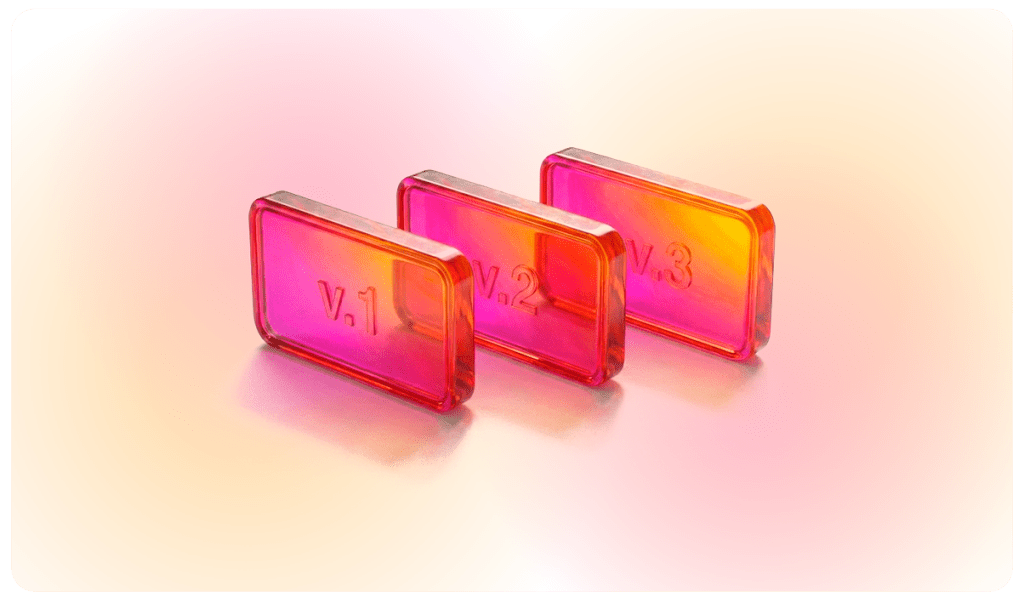
What exactly is a version?
A good version control system distinguishes between:
- Higher version: structural or permanent changes
- Lower versions: adjustments within a review workflow
The key is not the number, but the meaning
What does ‘current version’ mean?
The current version is:
- The last aproved version
- The one that can be used safely
- The only one that should be accessible to suppliers
It doesn’t necessarily have to be the most recent one someone uploaded.
¿Cómo lo gestiona WinView?
- Versions are numbered automatically
- The current version is clearly identified
- Only current files are published in the library
- Individual files cannot be uploaded without context
This prevents a supplier from unloading something they shouldn’t.
EN Conclusion
Version control isn’t about counting files; it’s to controll decisions.
👉 Centralise and protect your versions with WinView.
Working with suppliers is unavoidable. What shouldn’t be unavoidable, however, is the ‘chaos’ that often accompanies this collaboration: emails with attachments, forwarded links, PDFs annotated in a thousand different ways, and a question that comes up every week: ‘Which is the correct file?’
In the packaging industry, where even the slightest change can prove costly, the problem is not collaboration in itself. The problem is collaborating without oversight.
The dilemma: speed versus security (and why it’s a false choice)
Many teams try to speed things up by opening shared folders or sending versions by email. At first, it seems practical. Then the side effects start to appear: access that never expires, old versions circulating again, comments taken out of context, and duplicate revisions.
And the worst thing is: when something goes wrong, there’s no easy way to piece together what happened, who saw what, and when it was approved.
In reality, the ‘speed versus security’ dilemma shouldn’t exist. A well-organised process can give you both: agile collaboration and real control.
What usually goes wrong when working with suppliers
There are three common mistakes:
- Excessive access: “The whole folder” is shared because it’s the easy option, even though the supplier only needs to check a specific file or task.
- Broken context: Comments arrive via email, screenshots or messages, but they aren’t linked to the file itself. The actual conversation gets lost.
- Cross-versions: Review and approval are split across different channels, and in the end someone ends up working on a version that is no longer the valid one

The alternative: limited and traceable collaboration
The key to working well with suppliers is not to ‘share more’, but to share more effectively: granting access only to what is necessary, in an environment where everything is recorded.
That’s where a well-designed external user model makes all the difference.
How WinView handles guest users
WinView allows you to add suppliers (or customers, or external partners) with a guest user role: an account with limited, controlled access that enables collaboration without compromising the internal environment.
In practice, this means that the supplier:
- You can only view and take action on tasks, assets or requests that have been assigned to you or shared with you
- You do not have access to user management, settings or administrative functions
- Work directly on the actual file (no duplicates), with a clear context and workflow
And most importantly: their actions are recorded, which ensures traceability and reduces errors.
To sum up
Collaborating with suppliers doesn’t have to mean leaving the door wide open. With a model that offers restricted and traceable access, you can gain speed without losing control.
👉 If you like, the next step is simple: try out a workflow with guest users and see how much the noise is reduced.
When something goes wrong in a final artwork, the question is always the same: “Who made this change?”Cuando algo falla en un arte final, la pregunta siempre es la misma:
“¿Quién hizo este cambio?”
And too often, there is no answer.Y demasiadas veces, la respuesta no existe.
The risk of not having traceabilityEl riesgo de no tener trazabilidad
Without a clear record:Sin un registro claro:
- Changes get discussed instead of analyzedLos cambios se discuten en lugar de analizarse
- Responsibilities become dilutedLas responsabilidades se diluyen
- Audits turn into a manual searchLas auditorías se convierten en una búsqueda manual
This doesn’t just affect marketing — it also affects quality, legal, and operations.Esto no solo afecta a marketing, también a calidad, legal y operaciones.
What a serious system should trackQué debería registrar un sistema serio
A real traceability system records:Un sistema de trazabilidad real registra:
- Who uploads, edits, or approves a fileQuién sube, edita o aprueba un archivo
- When each action takes placeCuándo se hace cada acción
- Which version is affectedQué versión se ve afectada
- Which workflow or task the change comes fromDesde qué flujo o tarea se realiza el cambio
Y lo hace de forma automática, sin depender de la memoria del equipo.
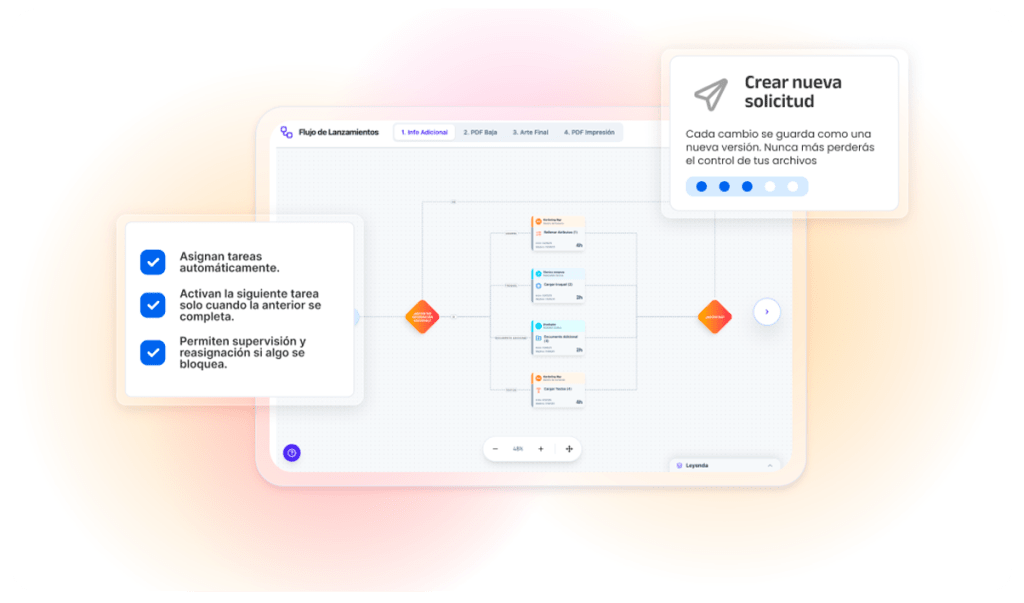
Cómo ayuda esto en el día a día
Con trazabilidad:
- Las aprobaciones son claras y defendibles
- Las incidencias se analizan rápido
- Las auditorías dejan de ser un problema
- El equipo gana confianza en el proceso
La trazabilidad en WinView
WinView registra cada acción sobre:
- Activos
- Archivos
- Solicitudes
- Tareas
- Usuarios
Todo queda documentado en un audit trail accesible según permisos.
Conclusion
Traceability is not excessive monitoring. It is operational safety.
👉 Find out how WinView protects your process.